 Business License
How to Choosing the Right Material for Your Pyrolysis Unit?
The material used for a pyrolysis unit is a crucial factor in determining its performance, safety, and how long it will last. The unit must be able to handle extreme heat, resist corrosive elements, and remain structurally sound throughout the pyrolysis process. Opting for the wrong material can lead to frequent breakdowns, escalating repair expenses, and potential safety risks.
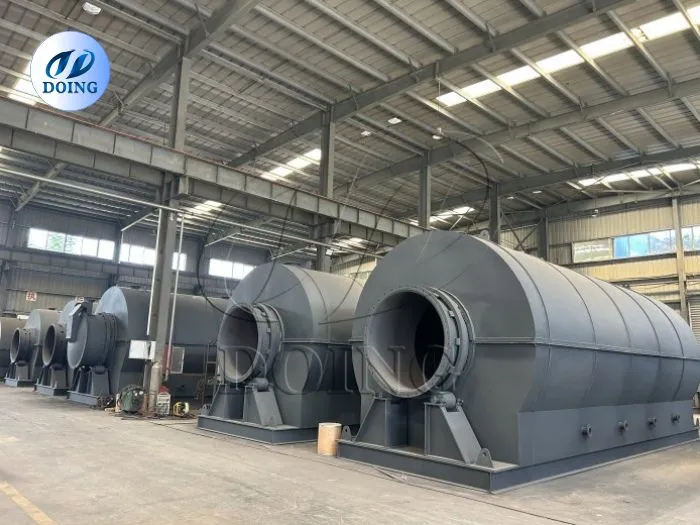
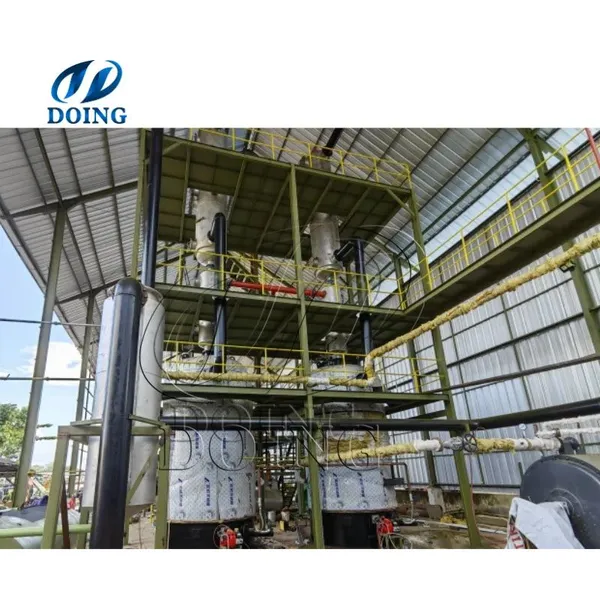
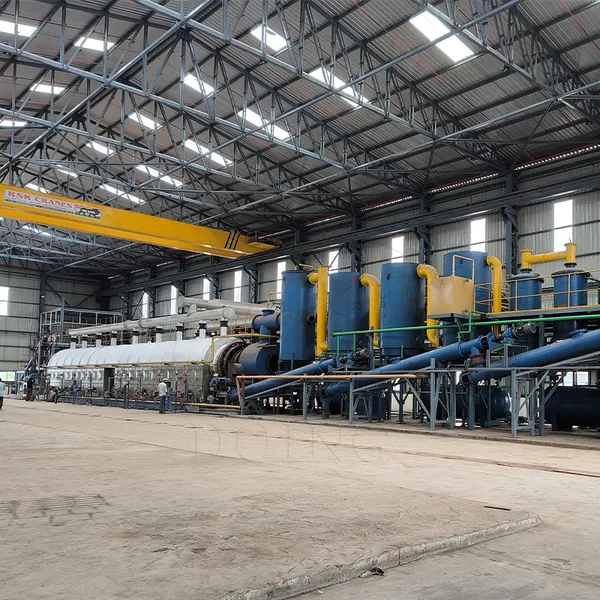
DOING pyrolysis unit
When selecting the material for a pyrolysis unit, several key aspects need careful consideration:
Type of Feedstock and Its Properties
The chemical makeup and thermal behavior of different feedstocks significantly influence the choice of unit material:
Standard Feedstocks (Tires, Rubber, Plastics):
Temperature Needs: Typically, the pyrolysis of rubber and plastics occurs at temperatures between 300°C and 450°C.
Corrosion Tendency: These feedstocks generally produce a low level of corrosiveness during pyrolysis.
Recommended Material: Q245R or Q345R boiler plates are a cost-effective solution. These carbon steels provide adequate strength and moderate temperature resistance for these applications.
Semi-Fluid Feedstocks (Oil Sludge, Coal Tar):
Temperature Needs: Pyrolysis temperatures for these materials often range from 300°C to 500°C.
Corrosion Tendency: Due to their complex hydrocarbon compositions, these feedstocks can be moderately to highly corrosive.
Recommended Material: Stainless steel grades such as 304, 316, or 309S are necessary.
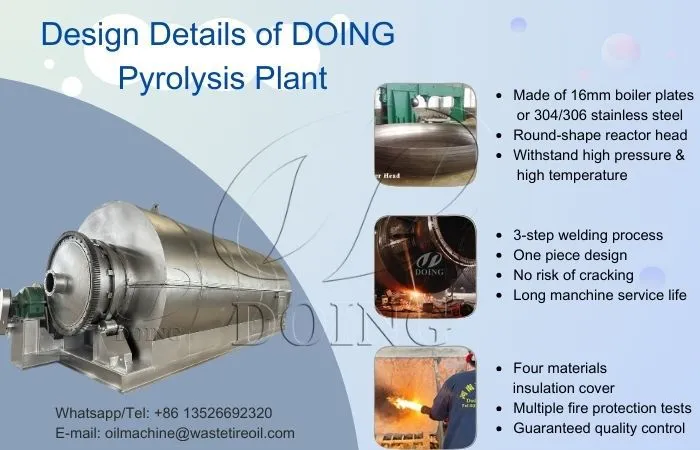
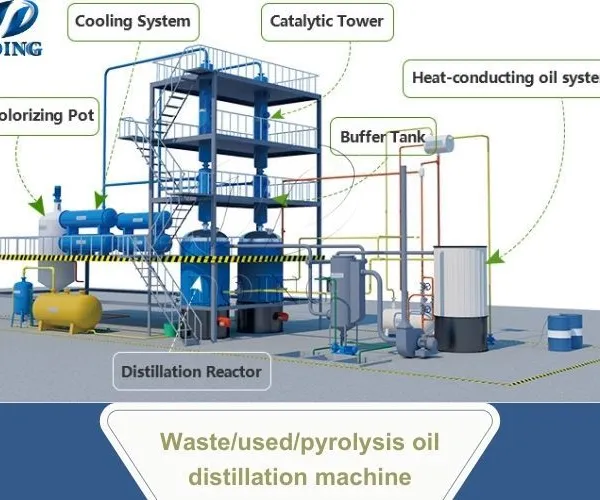
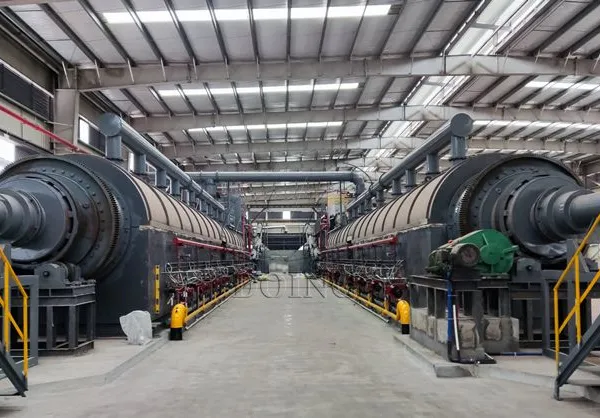
DOING pyrolysis plant unit design details
Operating Conditions
Beyond feedstock characteristics, several operational factors impact the material selection:
Temperature Fluctuations: Materials subjected to frequent heating and cooling cycles require superior resistance to thermal shock.
Pressure Demands: Pyrolysis systems operating under high pressure demand materials with greater tensile strength.
Duration of Exposure: Prolonged contact with corrosive environments necessitates the use of more robust materials.
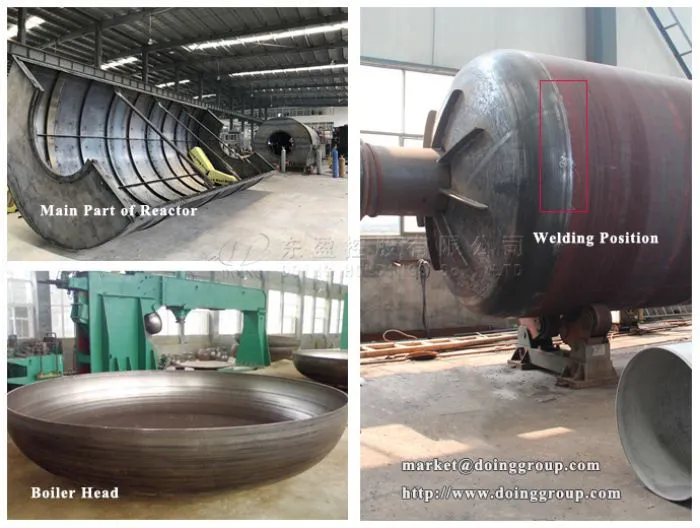
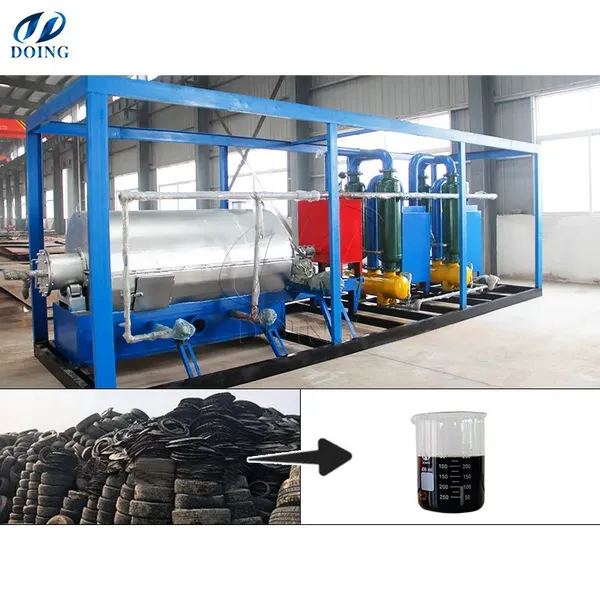
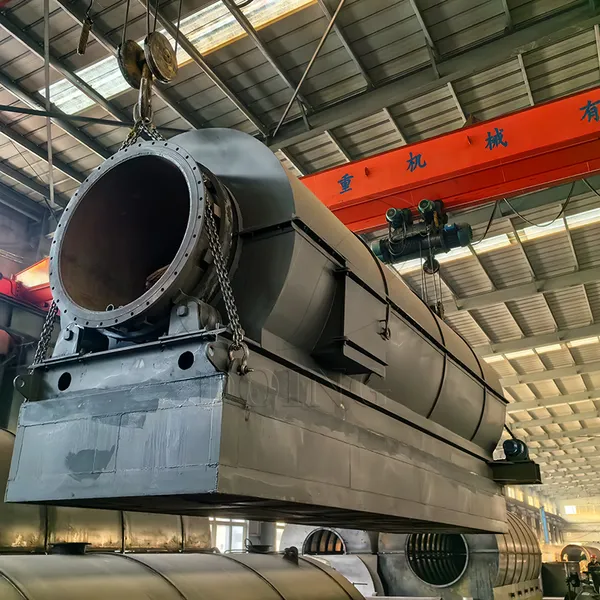
DOING pyrolysis unit manufacturing process
Economic Factors and Lifespan
Initial Outlay: Carbon steels have the lowest upfront cost, followed by stainless steels, with certain advanced materials representing the highest initial investment.
Maintenance Expenses: In corrosive environments, stainless steels generally require less frequent maintenance compared to carbon steels.
Service Life: While carbon steel offers a lower initial price, DOING's composite structure pyrolysis units provide a good balance between cost and performance. The inner stainless steel lining enhances corrosion resistance, thereby extending the unit's operational life. Unlike basic carbon steel units that might only last 1-3 years in challenging conditions, our units can function effectively for over 3-6 years, delivering better long-term economic benefits.
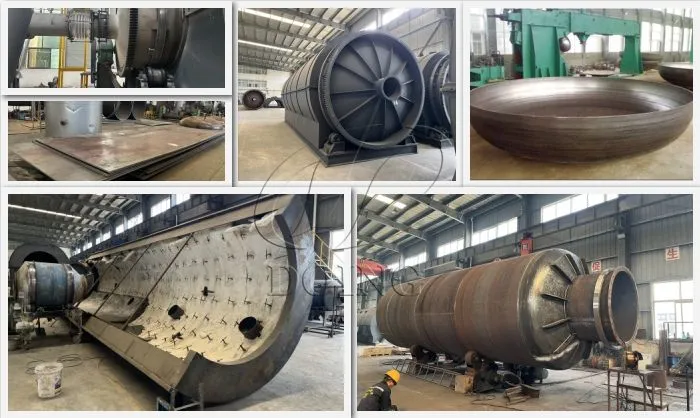
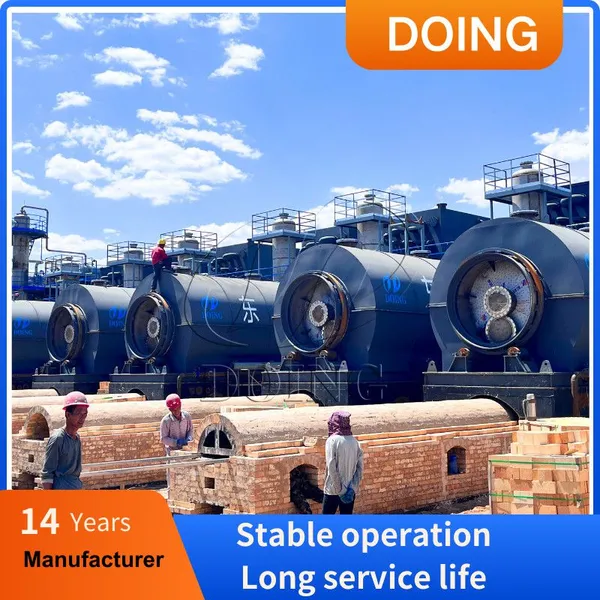
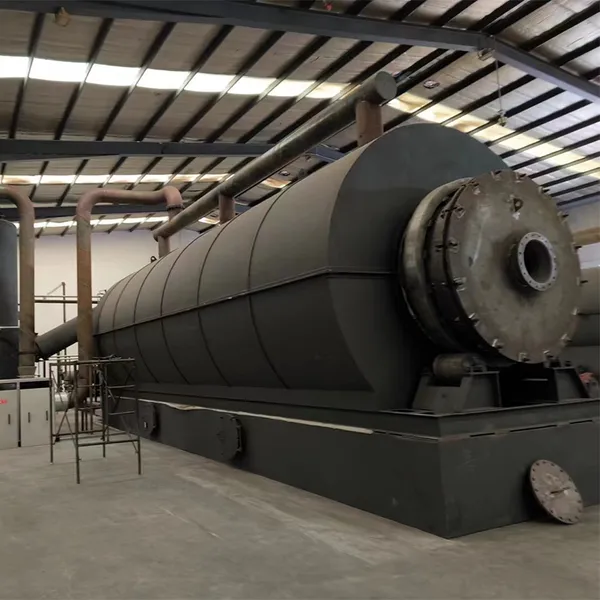
DOING pyrolysis unit details
Selecting the right material for a pyrolysis unit is a critical decision that involves balancing feedstock properties, operational demands, and financial considerations. The DOING Company excels in designing and manufacturing pyrolysis units customized for specific operational needs. Our technical experts can assist you in evaluating:
Your specific feedstock characteristics.
The temperature and pressure profiles of your process.
The potential for corrosion based on your feedstock's composition.
A long-term cost-benefit analysis of different material choices.
DOING Company's pyrolysis units feature a composite construction using Q245/345R boiler steel plates combined with stainless steel, with thicknesses ranging from 14 to 18 millimeters. The main body of the unit is constructed from Q245/345R boiler steel plates, offering excellent strength and stability to withstand high-temperature and high-pressure pyrolysis processes. The interior lining is made from stainless steel materials like 304/309S, providing robust resistance to corrosion and oxidation, effectively preventing coking and degradation caused by feedstocks such as sludge and rubber. This composite design not only ensures the unit's durability but also minimizes the likelihood of equipment failures and reduces maintenance expenses.
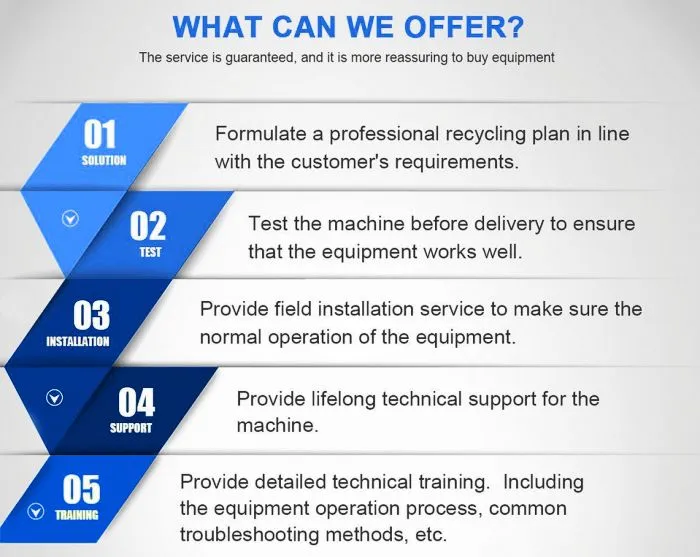
DOING pyrolysis unit manufacturer
For a reliable manufacturer of high-quality pyrolysis units, the DOING Company is your trusted partner. Reach out to us today to explore our pyrolysis unit materials and to develop a customized solution that meets your unique pyrolysis application requirements.
Recently Posted
-
Types of Oil Sludge Processed by Pyrolysis Machine
March 12, 2026Oil sludge represents a tough waste product that creates major environmental and practical issues for sectors including oil and ga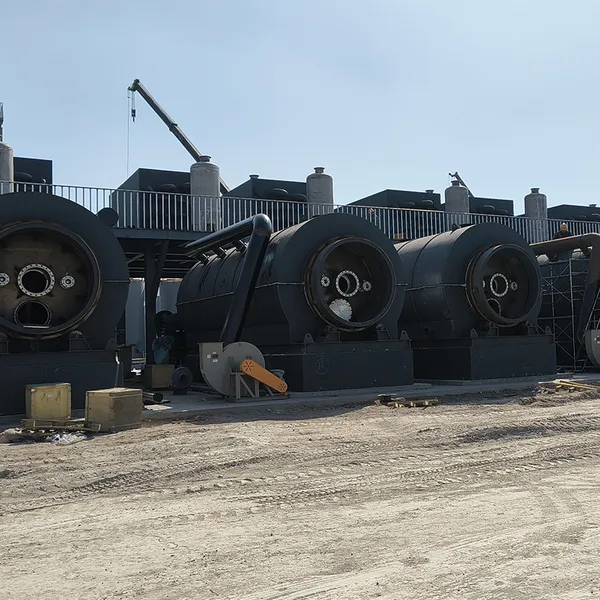 Read More
 -
Why PET and PVC Are Unsuitable for Pyrolysis Processing?
March 5, 2026Thermal decomposition technology for plastics is emerging as a vital solution to tackle waste plastic challenges. As a leading pro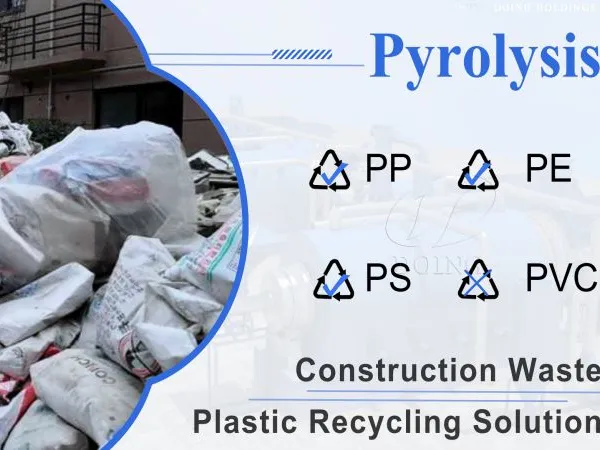 Read More
 -
Why is Oxygen Not Needed in Pyrolysis?
February 24, 2026Pyrolysis involves thermal breakdown of substances in an environment lacking oxygen or other reactive gases. The key factor for av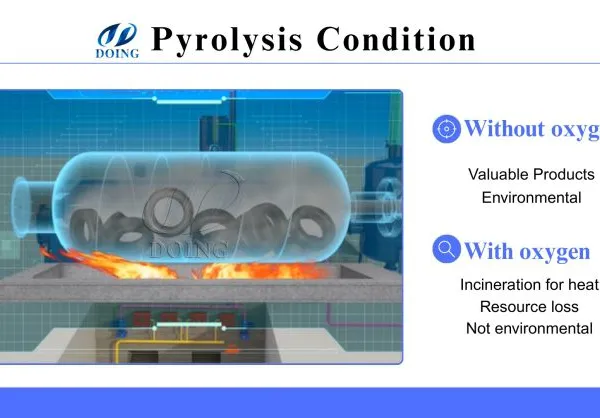 Read More
 -
Key Considerations in Pyrolysis Machine Costs and Purchase Decisions
February 5, 2026The cost of pyrolysis machines is influenced by a range of factors, including machine type, processing capacity, material qua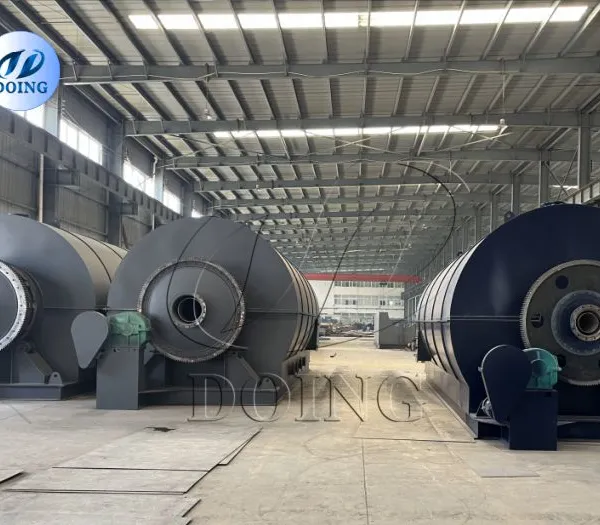 Read More

Contact Us
Recommended Products
-
 CE Certified High Oil Yield Fully Automatic Waste Fiberglass Pyrolysis Plant With PLC ControlUS$ 380000 - 500000MOQ: 1 Set
 -
50tpd Waste Tyre Pyrolysis Plant From China Automatic Continuous Pyrolysis SystemUS$ 28000 - 58000MOQ: 1 Set
-
Skid-mounted Small Scale Waste Tire/plastic to Fuel Oil Pyrolysis Recycling Machine ManufacturerNegotiableMOQ: 1 Set
-
Sustainability and Emission Control Urban Waste Pyrolysis Plant Used Plastic Waste Pyrolysis MachineNegotiableMOQ: 1 Set
-
Fully Automatic With Auto Feeding Municipal Solid Waste Continuous Pyrolysis Plant Urban Waste to Fuel ConverterNegotiableMOQ: 1 Set

-
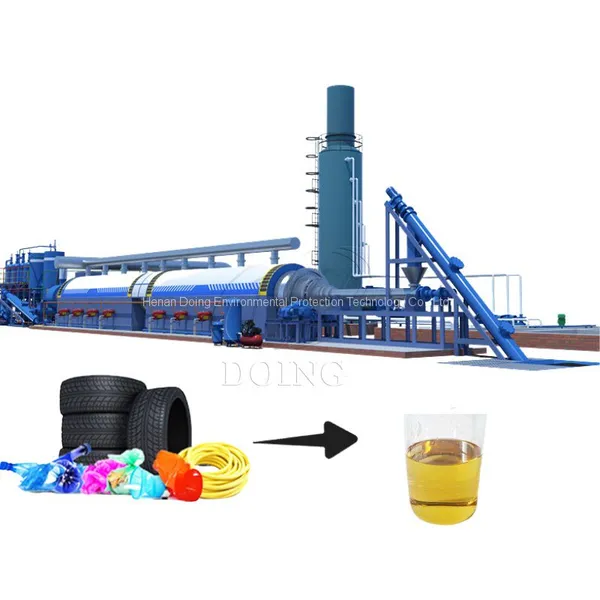
High Oil Yield Waste Tire/plastic to Fuel Oil DOING Pyrolysis Recycling Machine for SaleNegotiableMOQ: 1 Set
-
Small Scale Waste Oil Recycling System for Heavy Pyrolysis Oil Non-Standard Diesel Refining Machine Manufacturing Plant UseUS$ 50000 - 65000MOQ: 1 Set
-
Factory Price Used oil to diesel refining Plant recycling Machine for SaleUS$ 50000 - 65000MOQ: 1 Set
-
EU Environmental Small Big Scale Plastic to Oil Recycling Pyrolysis Plant Waste Plastic Pyrolysis MachineUS$ 30000 - 500000MOQ: 1 Set
-
50Ton Fully Continuous and Automatic Waste Oil Sludge Thermal Cracking to Fuel Oil Continuous Pyrolysis PlantNegotiableMOQ: 1 Set
-
Rubber Pyrolysis Plant 15 Ton Waste Tyre Pyrolysis Plant Latest Generation Waste Tyre Pyrolysis EquipmentNegotiableMOQ: 1 Set
-
Efficient Nesting Solution for Tires With Customization Options Tire Nesting Machine Tire Doubling Tripling MachineUS$ 2500 - 3000MOQ: 1 Set
-
DOING Waste Oil Recycling Refining Lubricating Oil/Tire Oil Into Diesel Oil Industrial-Grade Waste Oil Distillation EquipmentUS$ 50000 - 65000MOQ: 1 Set
-
New Technology Waste Engine Oil Distillation Machine Convert Pyrolysis Oil Into Diesel SystemNegotiableMOQ: 1 Set
-
Automatic Tire Grinding Equipment With PLC System Rubber Powder EquipmentNegotiableMOQ: 1 Set
-
Refinery Plant Distillation Machine Pyrolysis Oil and Crude Oil and Black Heavy Fuel To DieselUS$ 50000 - 65000MOQ: 1 Set
-
DOING Economic Waste Oil Treatment Waste Engine Oil, Lubricating Oil Refining Professional Waste Oil Refining EquipmentUS$ 50000 - 65000MOQ: 1 Set
-
Modular Design 500kg Small Pyrolysis Machine Tyre Pyrolysis Plant Tire Pyrolysis to FuelUS$ 18000 - 28000MOQ: 1 Set
-
Waste to Fuel Pyrolysis Machine Continuous Plastic Recycling to Plastidiesel Production PlantUS$ 300000 - 500000MOQ: 1 Set
-
Eco-friendly Small Scale Plastic Pyrolysis Machine Waste Plastic to Fuel & Carbon Black Thermal Decomposition EquipmentUS$ 28000 - 58000MOQ: 1 Set