 Business License
Is Pyrolysis Oil Usable as Fuel for Cars or Vehicles?
Pyrolysis oil, produced through thermal decomposition of waste materials like tires and plastics, isn’t suitable for direct use in automobiles or motor vehicles. This is largely due to its chemical composition, relatively high viscosity, and the presence of impurities. However, it does have significant potential in other areas.
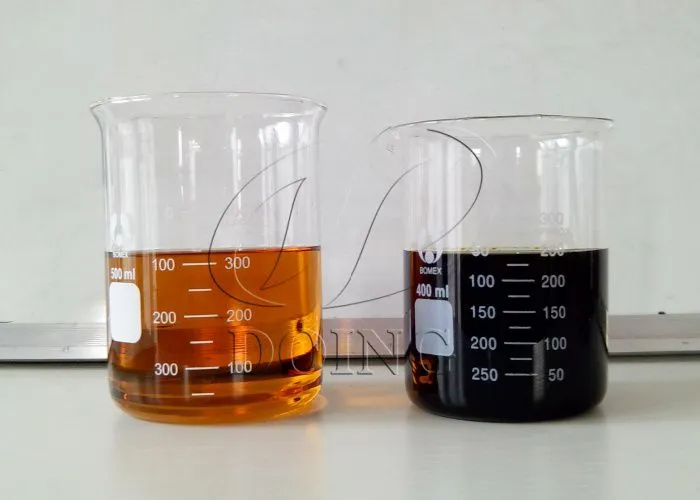
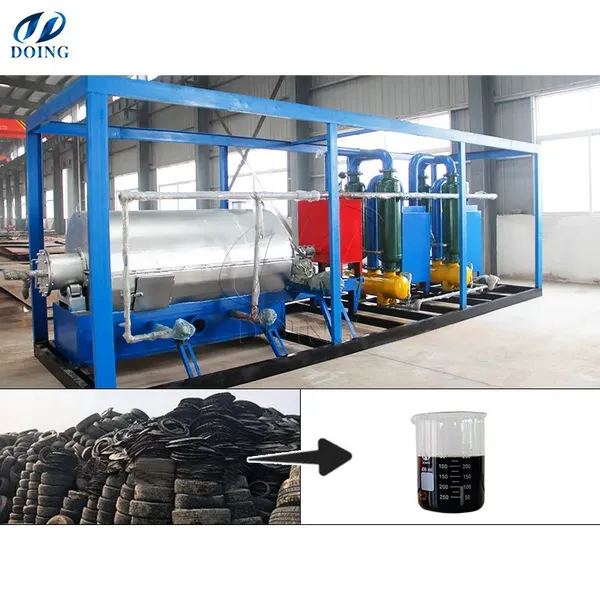
Waste pyrolysis oil
Characteristics of Pyrolysis Oil
Pyrolysis oil, often referred to as crude oil, is derived from the direct cracking of waste materials without further refining. At normal pressure and 15℃, its density is 0.9146g/cm³, and its total calorific value reaches 44.32MJ/kg. Compared to conventional automotive fuels, pyrolysis oil exhibits the following characteristics:
Chemical Composition: Pyrolysis oil contains a high proportion of resins, cycloalkanes, and aromatics. The elevated aromatic content tends to lower fuel quality, cause incomplete combustion, increase fine particulate emissions in exhaust, and negatively impact air quality.
Viscosity: The high viscosity of pyrolysis oil can lead to suboptimal atomization and fluidity in engines, resulting in operational instability and carbon buildup, which limits its direct application in automotive and internal combustion engines.
Impurities: Pyrolysis oil contains certain impurities, such as sulfur compounds and water. These can corrode engine components and affect vehicle performance.
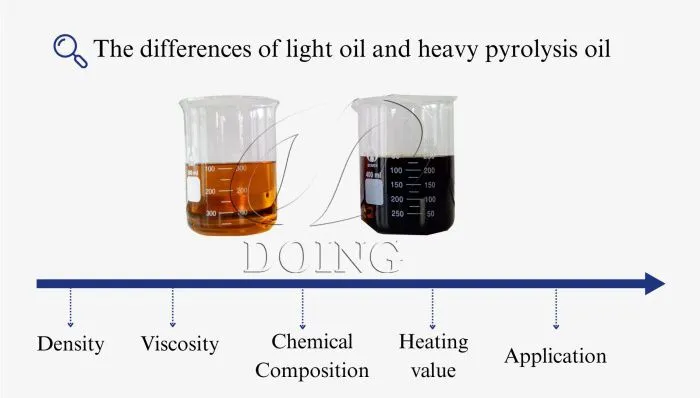
Characteristics of pyrolysis oil
Application Scope of Pyrolysis Oil
Given its characteristics, pyrolysis oil isn’t suitable for direct use in vehicles. However, it can be applied in the following areas:
Industrial Fuel: Pyrolysis oil can be sold directly as fuel oil to industrial facilities like glass factories, cement plants, power plants, and steel mills. Its high calorific value makes it ideal for meeting energy demands in industrial production.
Heavy Oil Generators: Pyrolysis oil can function as fuel for heavy oil generators, providing power support in specialized scenarios.
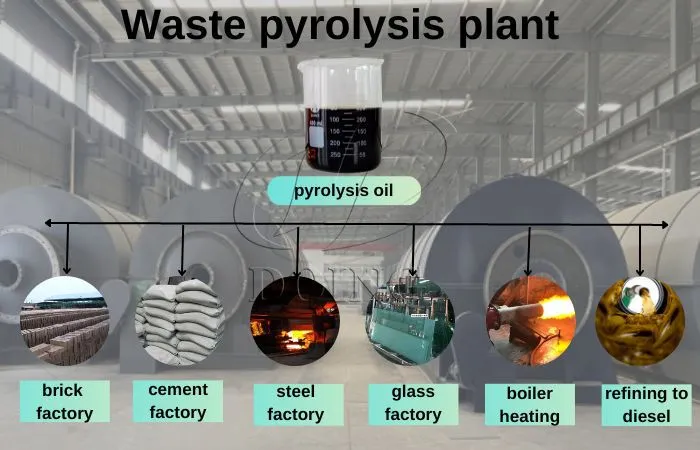
Application scope of pyrolysis oil
Refining Pyrolysis Oil into Automotive Fuel
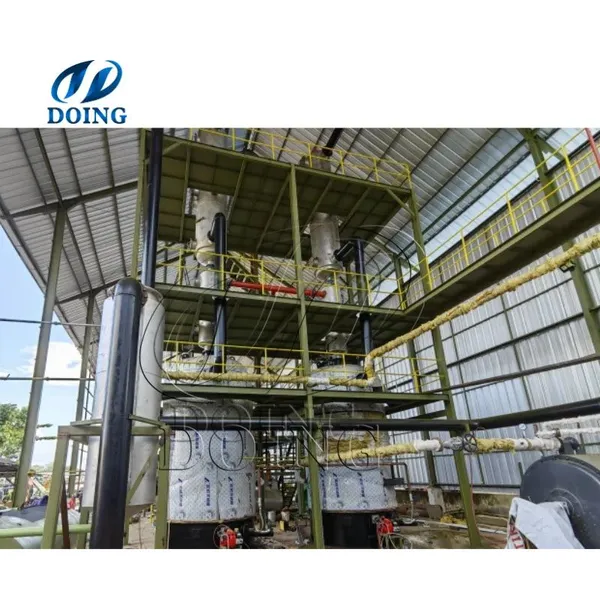
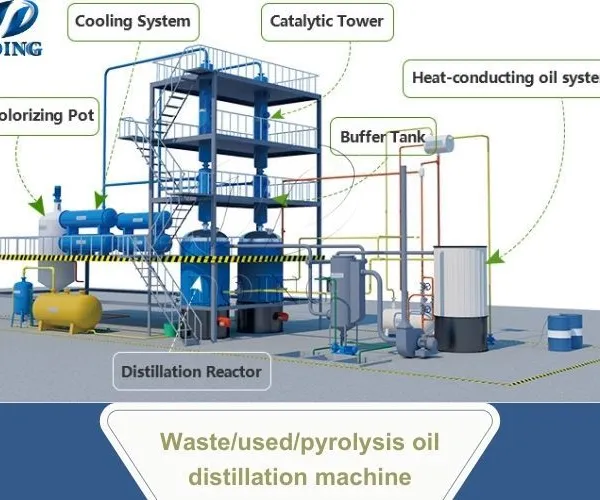
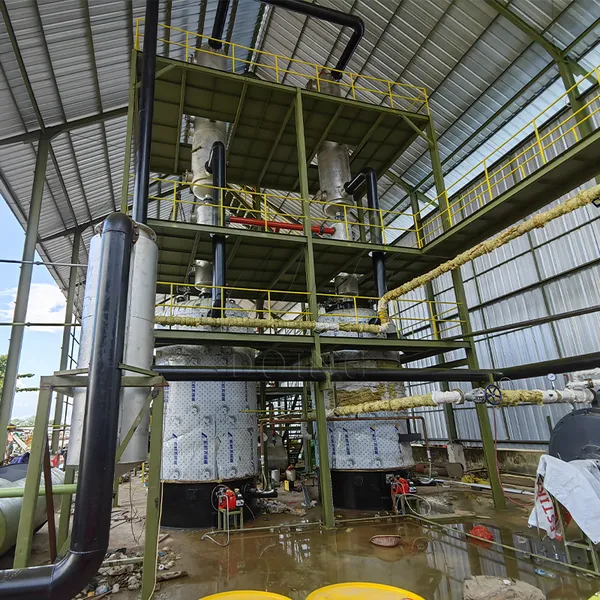
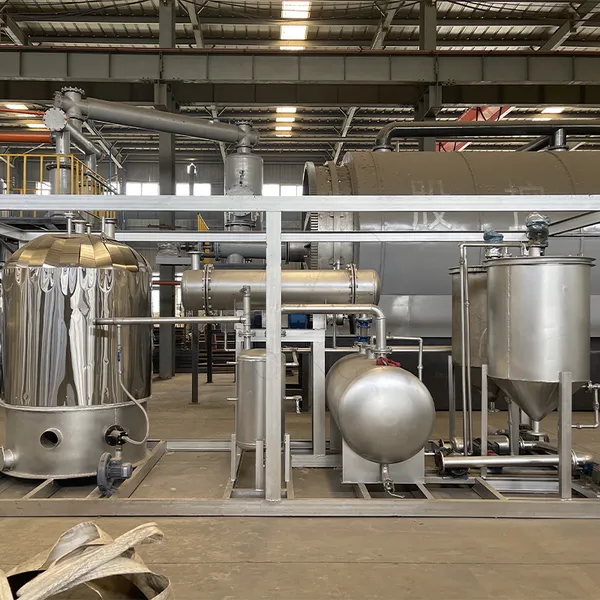
While pyrolysis oil can’t be used directly in vehicles, advanced refining processes can convert it into automotive fuel. DOING Company offers a waste oil distillation plant capable of upgrading pyrolysis oil into diesel fuel. Here’s an overview of the refining process and the performance of the refined diesel:
Distillation Process: The distillation plant heats pyrolysis oil, separating it into components based on boiling points. Components with boiling points similar to diesel are collected and undergo additional purification steps to eliminate contaminants and detrimental elements.
Diesel Performance: The refined diesel shows marked improvements in quality compared to pyrolysis oil. Its viscosity, sulfur content, cetane number, and other critical properties align closely with standard diesel specifications, enabling its use in agricultural machinery, large ships, and other equipment.
Application Precautions: Even when refined into non-standard diesel, DOING Company advises against using it directly in small family cars. The engineering team can provide customers with specific blending ratios and usage recommendations based on actual conditions.
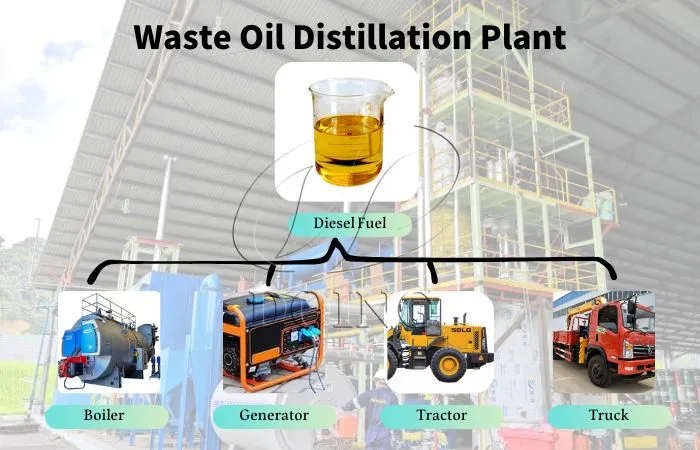
Usages of pyrolysis oil refined diesel
In summary, pyrolysis oil isn’t suitable for direct use in automobiles or motor vehicles due to its chemical and physical properties. However, it holds substantial value in industrial applications and can be upgraded into usable diesel fuel through advanced refining technologies. If you have questions about pyrolysis oil or its refining processes, please feel free to contact DOING Company. Our professional team will provide you with technical solutions and support tailored to your needs.
Recently Posted
-
Types of Oil Sludge Processed by Pyrolysis Machine
March 12, 2026Oil sludge represents a tough waste product that creates major environmental and practical issues for sectors including oil and ga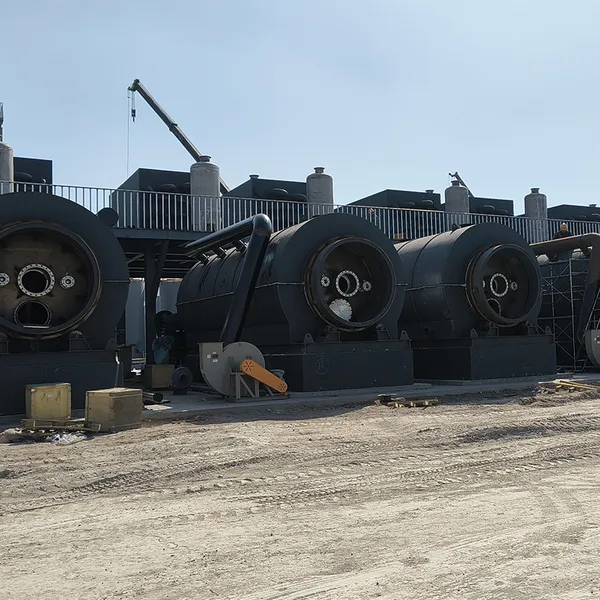 Read More
 -
Why PET and PVC Are Unsuitable for Pyrolysis Processing?
March 5, 2026Thermal decomposition technology for plastics is emerging as a vital solution to tackle waste plastic challenges. As a leading pro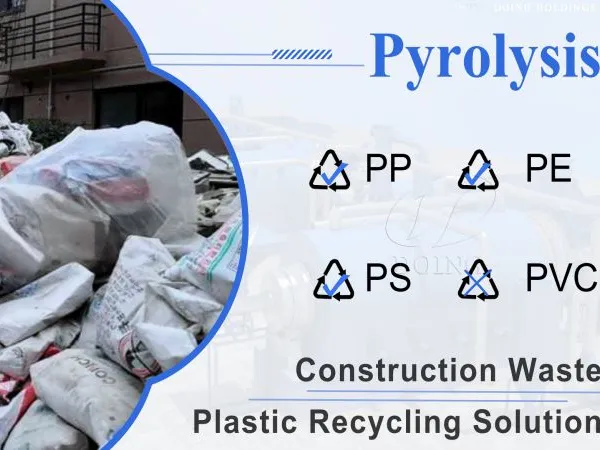 Read More
 -
Why is Oxygen Not Needed in Pyrolysis?
February 24, 2026Pyrolysis involves thermal breakdown of substances in an environment lacking oxygen or other reactive gases. The key factor for av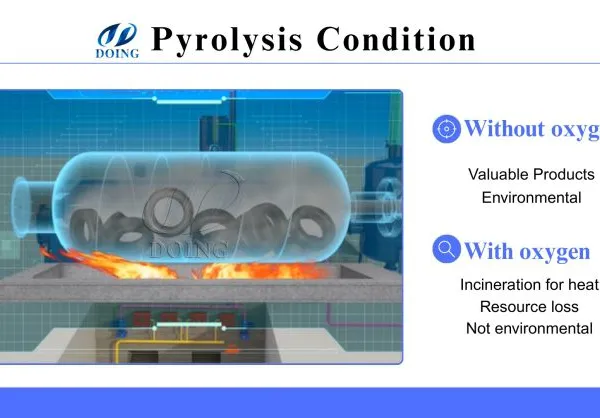 Read More
 -
Key Considerations in Pyrolysis Machine Costs and Purchase Decisions
February 5, 2026The cost of pyrolysis machines is influenced by a range of factors, including machine type, processing capacity, material qua Read More

Contact Us
Recommended Products
-
 CE Certified High Oil Yield Fully Automatic Waste Fiberglass Pyrolysis Plant With PLC ControlUS$ 380000 - 500000MOQ: 1 Set
 -
50tpd Waste Tyre Pyrolysis Plant From China Automatic Continuous Pyrolysis SystemUS$ 28000 - 58000MOQ: 1 Set
-
Skid-mounted Small Scale Waste Tire/plastic to Fuel Oil Pyrolysis Recycling Machine ManufacturerNegotiableMOQ: 1 Set
-
Sustainability and Emission Control Urban Waste Pyrolysis Plant Used Plastic Waste Pyrolysis MachineNegotiableMOQ: 1 Set
-
Fully Automatic With Auto Feeding Municipal Solid Waste Continuous Pyrolysis Plant Urban Waste to Fuel ConverterNegotiableMOQ: 1 Set

-
High Oil Yield Waste Tire/plastic to Fuel Oil DOING Pyrolysis Recycling Machine for SaleNegotiableMOQ: 1 Set
-
Small Scale Waste Oil Recycling System for Heavy Pyrolysis Oil Non-Standard Diesel Refining Machine Manufacturing Plant UseUS$ 50000 - 65000MOQ: 1 Set
-
Factory Price Used oil to diesel refining Plant recycling Machine for SaleUS$ 50000 - 65000MOQ: 1 Set
-
EU Environmental Small Big Scale Plastic to Oil Recycling Pyrolysis Plant Waste Plastic Pyrolysis MachineUS$ 30000 - 500000MOQ: 1 Set
-
50Ton Fully Continuous and Automatic Waste Oil Sludge Thermal Cracking to Fuel Oil Continuous Pyrolysis PlantNegotiableMOQ: 1 Set
-
Rubber Pyrolysis Plant 15 Ton Waste Tyre Pyrolysis Plant Latest Generation Waste Tyre Pyrolysis EquipmentNegotiableMOQ: 1 Set
-
Efficient Nesting Solution for Tires With Customization Options Tire Nesting Machine Tire Doubling Tripling MachineUS$ 2500 - 3000MOQ: 1 Set
-
DOING Waste Oil Recycling Refining Lubricating Oil/Tire Oil Into Diesel Oil Industrial-Grade Waste Oil Distillation EquipmentUS$ 50000 - 65000MOQ: 1 Set
-
New Technology Waste Engine Oil Distillation Machine Convert Pyrolysis Oil Into Diesel SystemNegotiableMOQ: 1 Set
-
Automatic Tire Grinding Equipment With PLC System Rubber Powder EquipmentNegotiableMOQ: 1 Set
-
Refinery Plant Distillation Machine Pyrolysis Oil and Crude Oil and Black Heavy Fuel To DieselUS$ 50000 - 65000MOQ: 1 Set
-
DOING Economic Waste Oil Treatment Waste Engine Oil, Lubricating Oil Refining Professional Waste Oil Refining EquipmentUS$ 50000 - 65000MOQ: 1 Set
-
Modular Design 500kg Small Pyrolysis Machine Tyre Pyrolysis Plant Tire Pyrolysis to FuelUS$ 18000 - 28000MOQ: 1 Set
-
Waste to Fuel Pyrolysis Machine Continuous Plastic Recycling to Plastidiesel Production PlantUS$ 300000 - 500000MOQ: 1 Set
-
Eco-friendly Small Scale Plastic Pyrolysis Machine Waste Plastic to Fuel & Carbon Black Thermal Decomposition EquipmentUS$ 28000 - 58000MOQ: 1 Set