 Business License
Why is Oxygen Not Needed in Pyrolysis?
Pyrolysis involves thermal breakdown of substances in an environment lacking oxygen or other reactive gases. The key factor for avoiding oxygen in pyrolysis is to stop combustion or oxidation from happening.
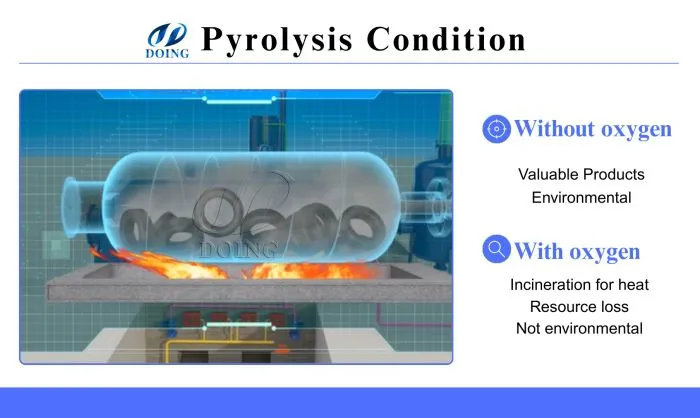
Pyrolysis condition
Below is an explanation:
Stops Burning
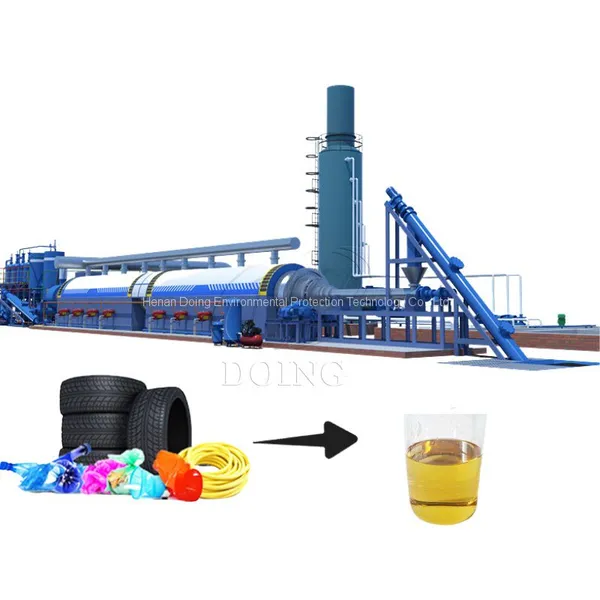
If oxygen exists, items like waste tires, plastics, rubber, or organic substances might burn, releasing energy as heat and light. This burning creates main byproducts such as carbon dioxide (CO₂) and water (H₂O), which does not align with pyrolysis objectives. Instead, pyrolysis focuses on splitting materials into smaller components, including gases, liquids (like pyrolysis oil or heavy fuel oil), and carbon black, all without ignition. For example, during waste tire pyrolysis, oxygen would cause quick burning of the tires, resulting in a sudden temperature rise. Such an event might harm the pyrolysis equipment and release toxic gases including sulfur dioxide and nitrogen oxides, leading to serious environmental pollution. Oxygen-free pyrolysis, however, permits a slow decomposition of waste tires at a more stable and manageable temperature, yielding valuable items like carbon black, steel wire, and fuel oil.
Managed Breakdown
In pyrolysis, heat severs chemical bonds without oxygen, causing organic substances to split into basic compounds. This managed process produces helpful byproducts such as syngas (containing hydrogen, carbon monoxide, and additional gases), pyrolysis oil, and carbon black, suitable for energy production, chemical uses, or soil improvement. Different from combustion's fast and unmanaged reaction, pyrolysis takes place in a monitored setting. By adjusting factors like temperature, heating speed, and time of exposure, operators can fine-tune the breakdown to boost the amount and quality of target products.
Prevents Oxidation
Oxygen may interact with organic substances, causing oxidation that changes the makeup of the results. Without oxygen, pyrolysis follows non-oxidative routes, maintaining the needed traits of the outputs. Oxidation typically forms oxygen-based compounds like carboxylic acids, ketones, and aldehydes, which might not fit the planned uses for pyrolysis results. In anaerobic pyrolysis, keeping oxygen out blocks these undesired oxidation effects.
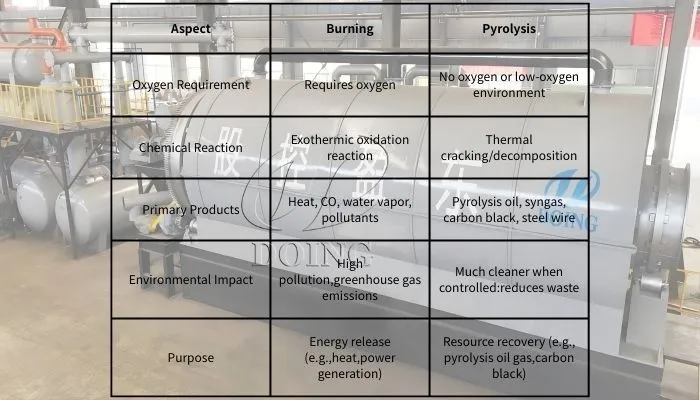
Comparison of pyrolysis and combustion
Better Energy Use
Pyrolysis works to be an efficient energy process that increases the output of practical products. Adding oxygen would cause partial burning, which cuts down on efficiency and the amount of wanted products. Burning uses some of the organic material to generate heat, potentially decreasing the process's overall energy effectiveness. Anaerobic pyrolysis, by comparison, reduces energy waste by directing thermal energy toward bond breaking instead of supporting burning. This leads to greater production of useful items. For instance, in breaking down waste plastics, an oxygen-lacking setup supports a more effective change of plastic into syngas and pyrolysis oil, which can be processed into vehicle fuels or chemical raw materials.
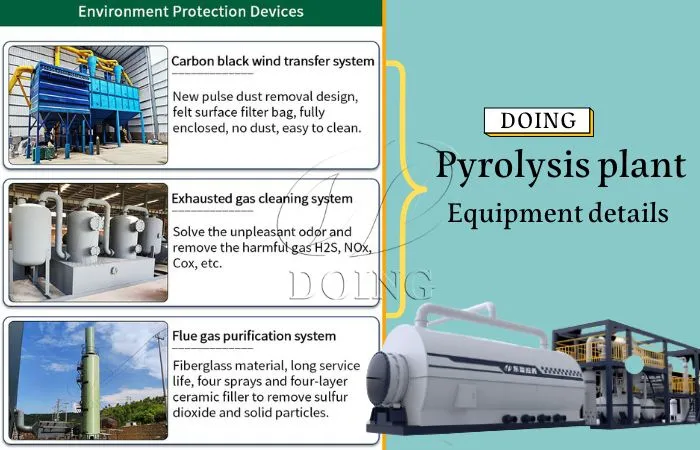
DOING pyrolysis equipment environment protection devices
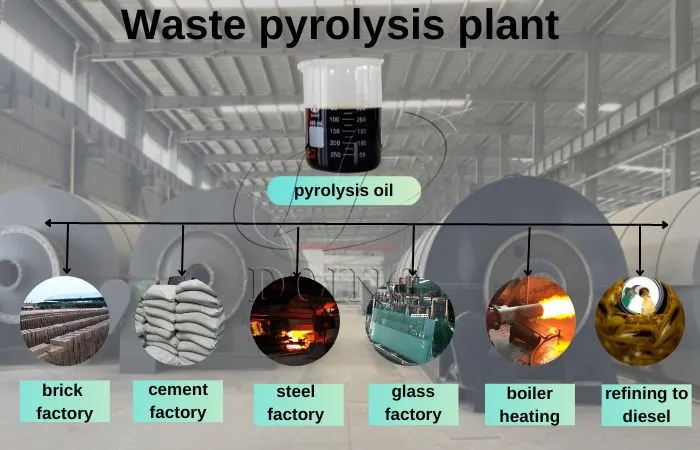
Applications of pyrolysis oil
Comparison to Other Waste Handling Approaches
When set against common waste handling like combustion, anaerobic pyrolysis provides multiple benefits. Combustion can process high volumes of waste and produce power, but it generates fly ash and dioxins that are hard and expensive to manage. Emissions from combustion might also include dangerous pollutants needing strict controls. Anaerobic pyrolysis, conversely, creates purer gases and liquids, with solid leftovers that can be reused, offering a more eco-friendly way to convert waste. As an example, carbon black from pyrolysis serves in making tires and other rubber goods, while pyrolysis oil can be turned into diesel or gasoline, serving as a reliable option to typical fossil fuels.
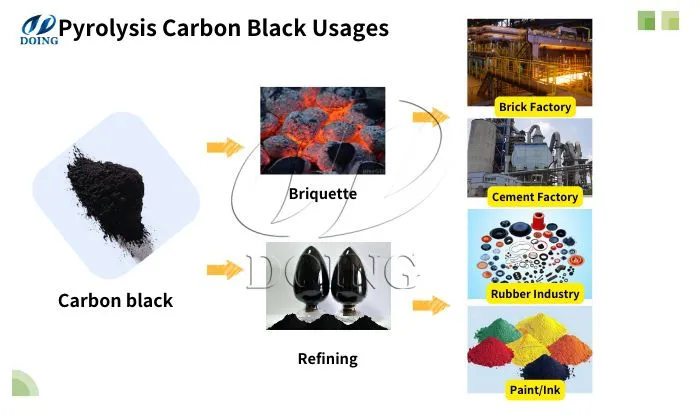
Pyrolysis carbon black usages
To wrap up, pyrolysis skips oxygen because it seeks to thermally break down substances in a regulated setup to generate targeted chemical outputs, not to burn them. Excluding oxygen keeps the process from combusting and improves the production of helpful byproducts.
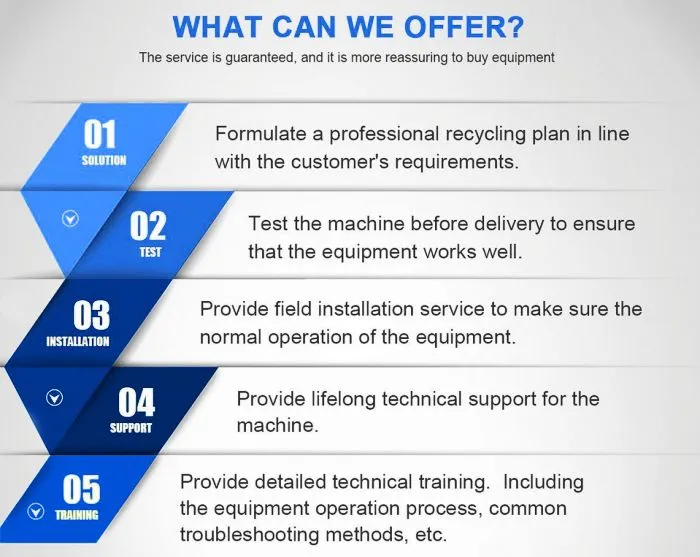
DOING pyrolysis equipment manufacturer
For further details on pyrolysis, or to explore pyrolysis equipment, feel free to reach out. DOING Company, a reliable pyrolysis equipment producer, provides full support such as design, setup, and post-sale care. We focus on tailored options for waste management, aiding clients in effective recycling. Our knowledge and focus on reliability help customers make the most of anaerobic pyrolysis methods.
Recently Posted
-
Types of Oil Sludge Processed by Pyrolysis Machine
March 12, 2026Oil sludge represents a tough waste product that creates major environmental and practical issues for sectors including oil and ga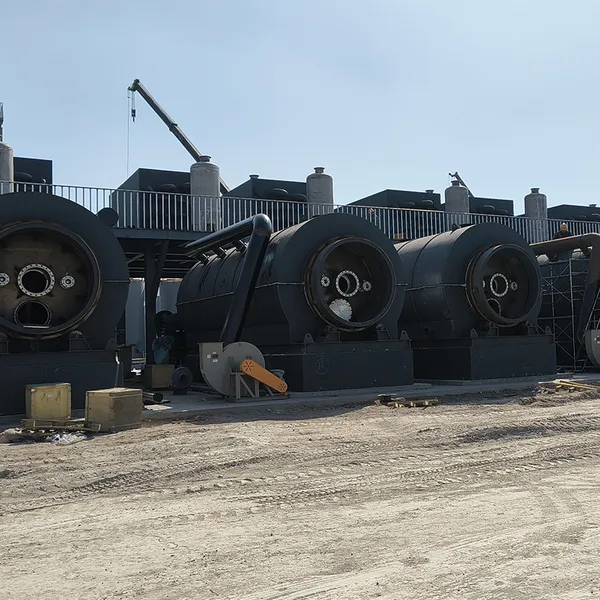 Read More
 -
Why PET and PVC Are Unsuitable for Pyrolysis Processing?
March 5, 2026Thermal decomposition technology for plastics is emerging as a vital solution to tackle waste plastic challenges. As a leading pro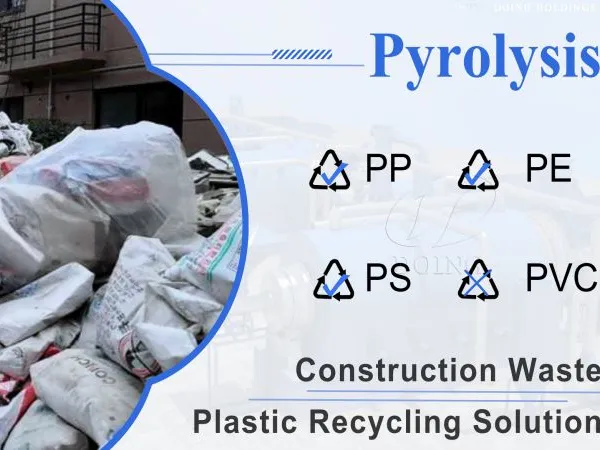 Read More
 -
Key Considerations in Pyrolysis Machine Costs and Purchase Decisions
February 5, 2026The cost of pyrolysis machines is influenced by a range of factors, including machine type, processing capacity, material qua Read More
 -
The Superior Advantages of Plastic Thermal Cracking Compared to Conventional Recycling Methods
January 30, 2026Plastic pollution represents one of today’s most urgent environmental issues. Although conventional plastic recycling plays a role Read More

Contact Us
Recommended Products
-
 CE Certified High Oil Yield Fully Automatic Waste Fiberglass Pyrolysis Plant With PLC ControlUS$ 380000 - 500000MOQ: 1 Set
 -
50tpd Waste Tyre Pyrolysis Plant From China Automatic Continuous Pyrolysis SystemUS$ 28000 - 58000MOQ: 1 Set
-
Skid-mounted Small Scale Waste Tire/plastic to Fuel Oil Pyrolysis Recycling Machine ManufacturerNegotiableMOQ: 1 Set
-
Sustainability and Emission Control Urban Waste Pyrolysis Plant Used Plastic Waste Pyrolysis MachineNegotiableMOQ: 1 Set
-
Fully Automatic With Auto Feeding Municipal Solid Waste Continuous Pyrolysis Plant Urban Waste to Fuel ConverterNegotiableMOQ: 1 Set

-
High Oil Yield Waste Tire/plastic to Fuel Oil DOING Pyrolysis Recycling Machine for SaleNegotiableMOQ: 1 Set
-
Small Scale Waste Oil Recycling System for Heavy Pyrolysis Oil Non-Standard Diesel Refining Machine Manufacturing Plant UseUS$ 50000 - 65000MOQ: 1 Set
-
Factory Price Used oil to diesel refining Plant recycling Machine for SaleUS$ 50000 - 65000MOQ: 1 Set
-
EU Environmental Small Big Scale Plastic to Oil Recycling Pyrolysis Plant Waste Plastic Pyrolysis MachineUS$ 30000 - 500000MOQ: 1 Set
-
50Ton Fully Continuous and Automatic Waste Oil Sludge Thermal Cracking to Fuel Oil Continuous Pyrolysis PlantNegotiableMOQ: 1 Set
-
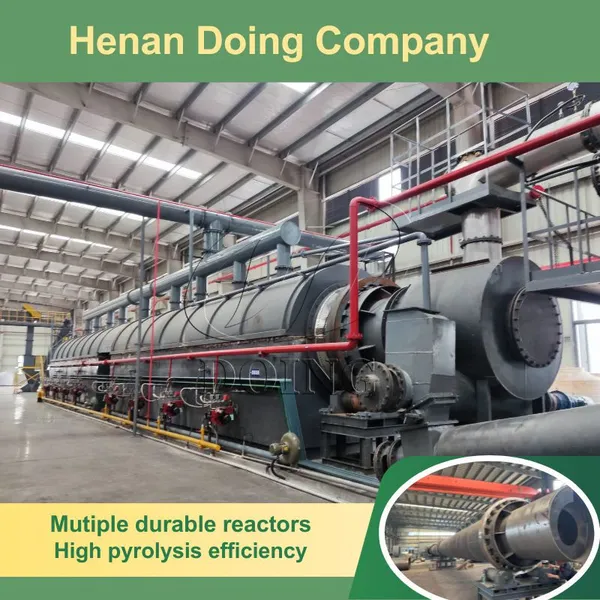
Rubber Pyrolysis Plant 15 Ton Waste Tyre Pyrolysis Plant Latest Generation Waste Tyre Pyrolysis EquipmentNegotiableMOQ: 1 Set
-
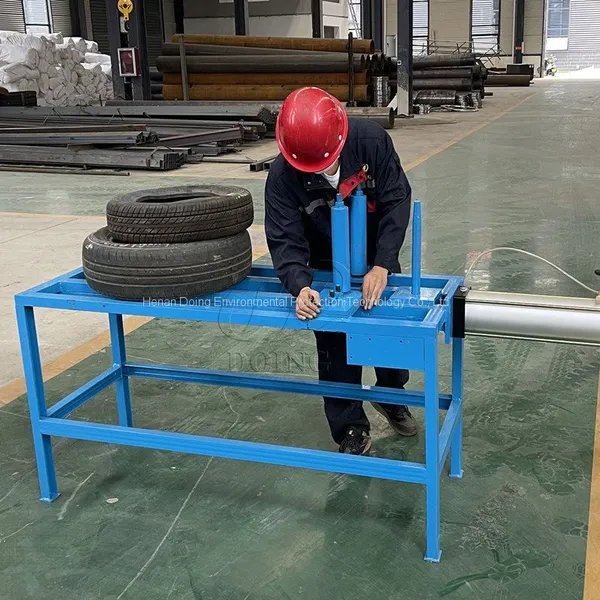
Efficient Nesting Solution for Tires With Customization Options Tire Nesting Machine Tire Doubling Tripling MachineUS$ 2500 - 3000MOQ: 1 Set
-
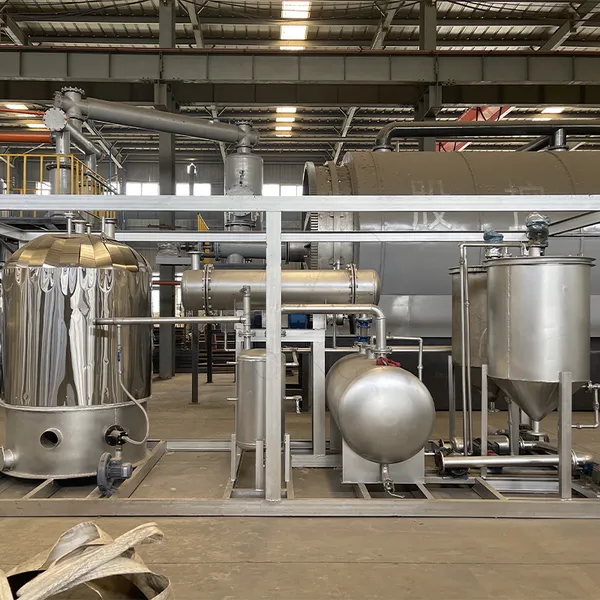
DOING Waste Oil Recycling Refining Lubricating Oil/Tire Oil Into Diesel Oil Industrial-Grade Waste Oil Distillation EquipmentUS$ 50000 - 65000MOQ: 1 Set
-
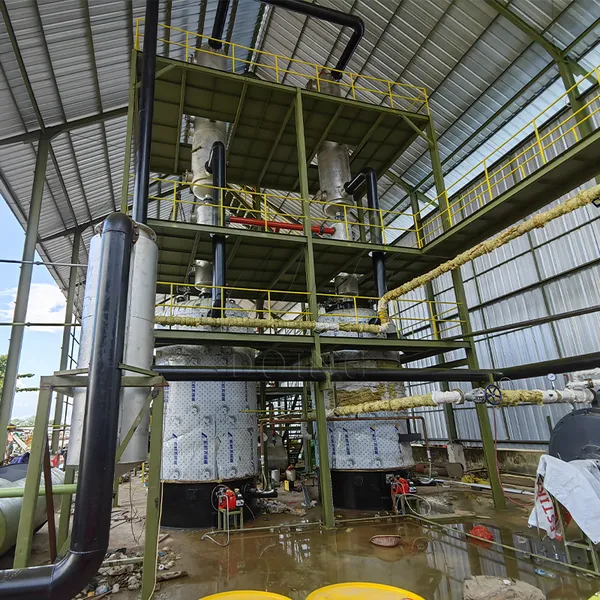
New Technology Waste Engine Oil Distillation Machine Convert Pyrolysis Oil Into Diesel SystemNegotiableMOQ: 1 Set
-
Automatic Tire Grinding Equipment With PLC System Rubber Powder EquipmentNegotiableMOQ: 1 Set
-
Refinery Plant Distillation Machine Pyrolysis Oil and Crude Oil and Black Heavy Fuel To DieselUS$ 50000 - 65000MOQ: 1 Set
-
DOING Economic Waste Oil Treatment Waste Engine Oil, Lubricating Oil Refining Professional Waste Oil Refining EquipmentUS$ 50000 - 65000MOQ: 1 Set
-
Modular Design 500kg Small Pyrolysis Machine Tyre Pyrolysis Plant Tire Pyrolysis to FuelUS$ 18000 - 28000MOQ: 1 Set
-
Waste to Fuel Pyrolysis Machine Continuous Plastic Recycling to Plastidiesel Production PlantUS$ 300000 - 500000MOQ: 1 Set
-
Eco-friendly Small Scale Plastic Pyrolysis Machine Waste Plastic to Fuel & Carbon Black Thermal Decomposition EquipmentUS$ 28000 - 58000MOQ: 1 Set