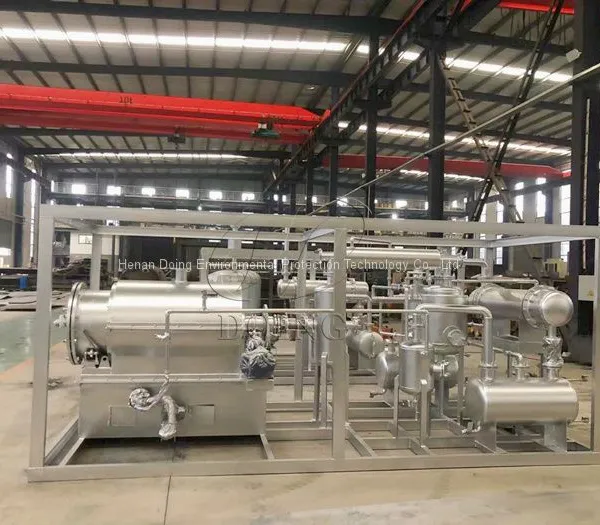
 Business License
How to Establish a Tire Pyrolysis Recycling Business?
Establishing a tire pyrolysis recycling business can be a profitable and eco-friendly venture. Below is a detailed guide to help you initiate this endeavor:
Market Research and Strategic PlanningAssess Market Demand: Investigate the volume of waste tires generated in your region and the market demand for recycled tire products like fuel oil, steel wire, and carbon black. Utilize industry reports, government data, and other resources to gather relevant information.
Define Target Customers: Identify potential clients such as auto repair shops, tire retailers, municipalities, and businesses utilizing recycled rubber products.
Develop a Business Plan: Create a comprehensive business plan covering business objectives, market analysis, competitor research, financial forecasts (startup capital, revenue streams, profit margins), and operational procedures (tire collection, processing, and product distribution).
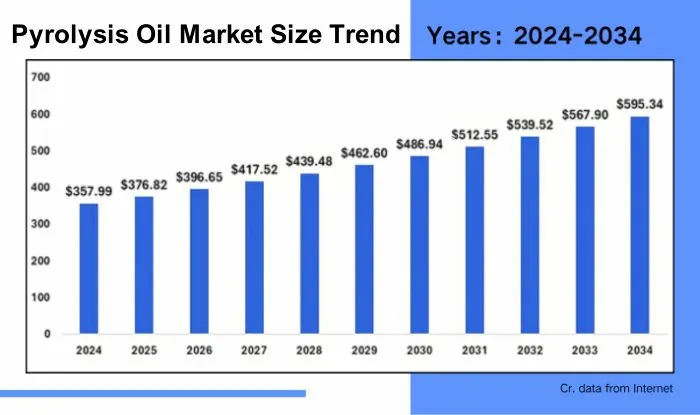
Pyrolysis oil market size trend
Legal and Regulatory ComplianceObtain Permits and Licenses: Secure necessary permits, including waste handling permits, environmental compliance certifications, and business registration. Consult local authorities to ensure adherence to all regulations. For instance, the Chinese government has established clear annual processing volume standards for tire pyrolysis projects, while countries like India, Australia, and some European and American nations encourage the adoption of fully continuous tire pyrolysis plants.
Understand Environmental Regulations: Familiarize yourself with laws related to waste tire pyrolysis treatment. Ensure your facility meets environmental standards to avoid legal penalties.
Secure Financial ResourcesEstimate Initial Capital: Calculate startup costs, including equipment, facility rental, transportation vehicles, and working capital.
Explore Funding Channels: Consider funding options such as bank loans, government green initiative grants, or private investors. Highlight the environmental and economic advantages of your business to attract financial support.
Select a Suitable LocationFacility Requirements: Choose a location with sufficient space for tire storage and processing, ideally close to suppliers and customers to reduce transportation costs.
Zoning Compliance: Verify that the site complies with industrial or commercial zoning laws.
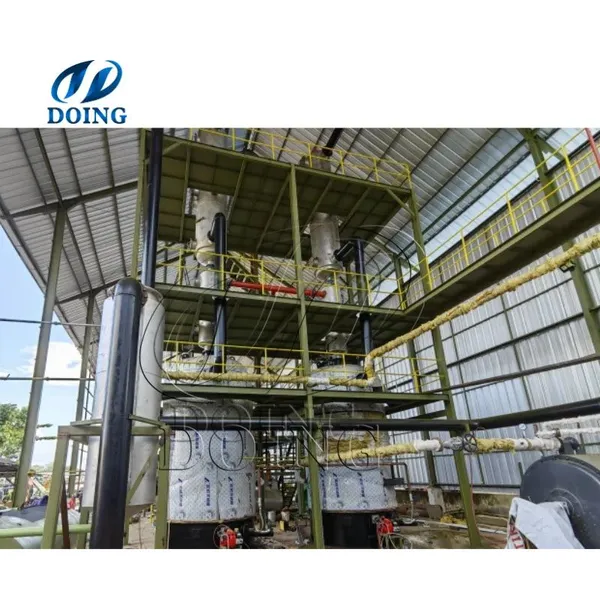
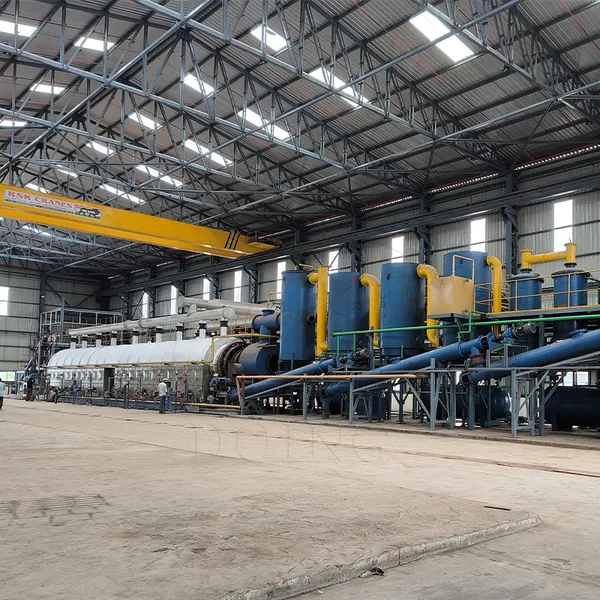
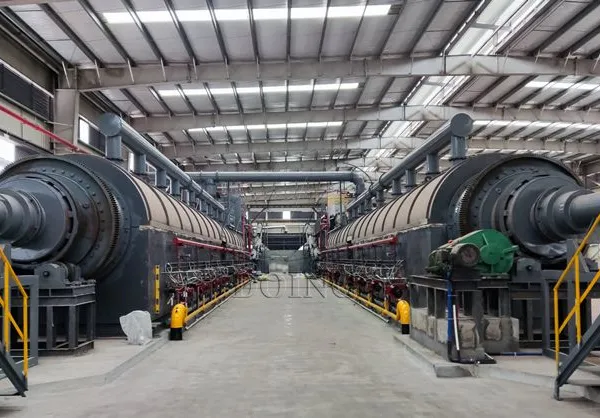
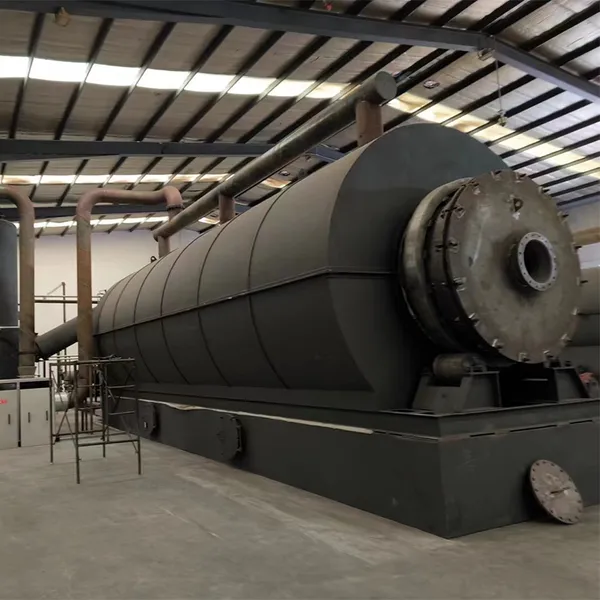
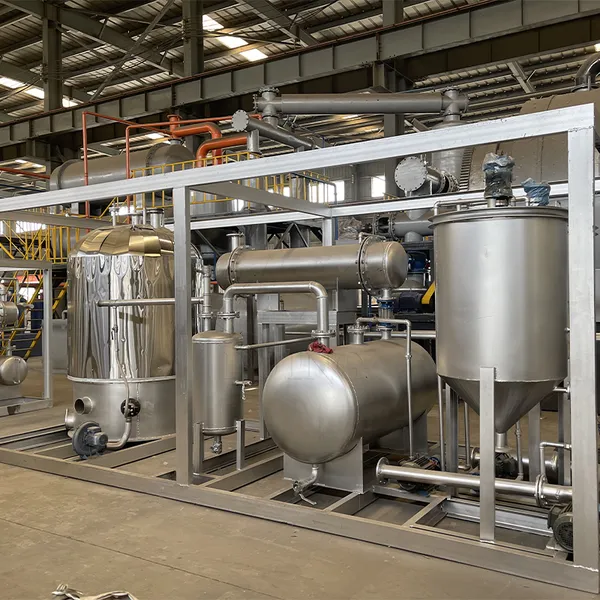
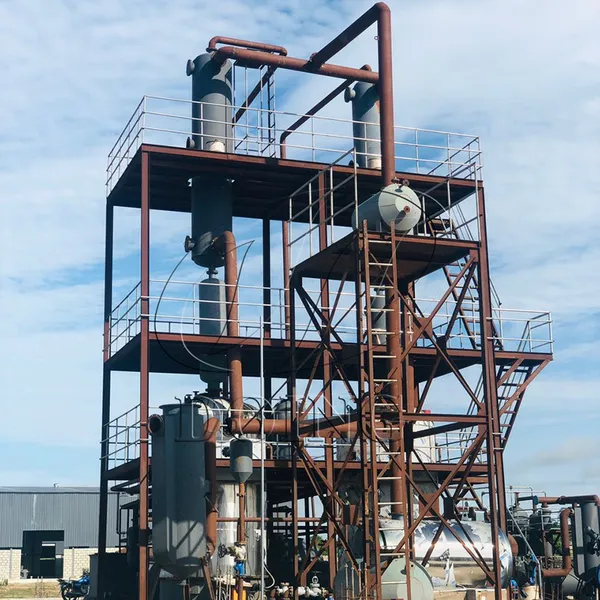
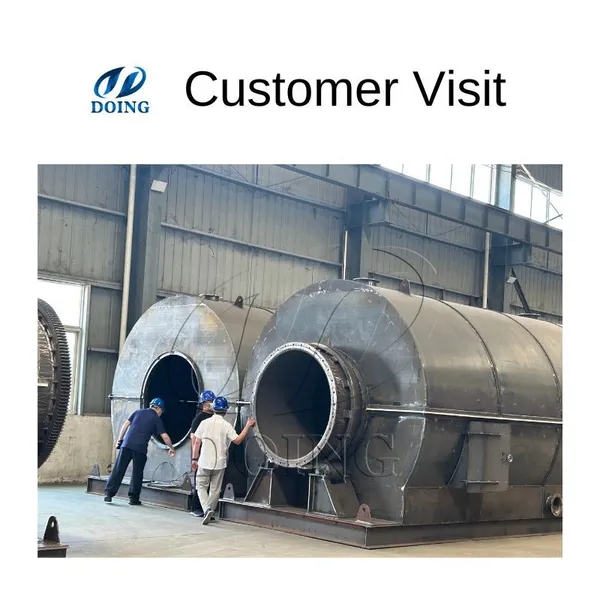
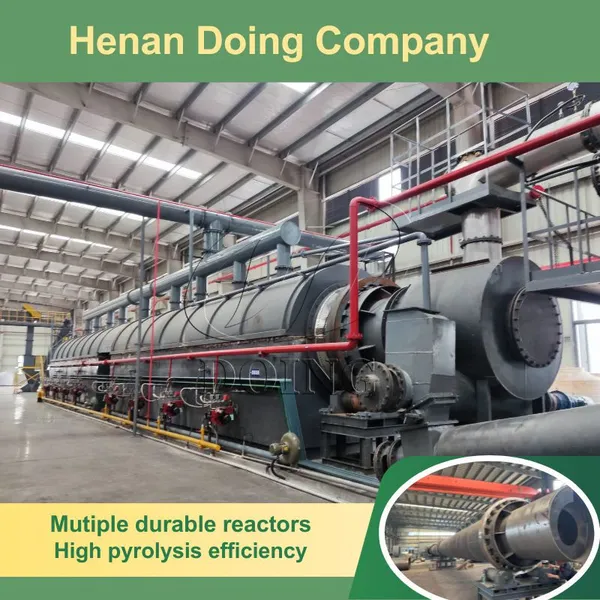
Procure Equipment and TechnologyChoose the Right Pyrolysis Plant: Research tire pyrolysis plants from various suppliers. Prioritize reputable companies with a proven track record. DOING Company, a professional pyrolysis plant manufacturer, offers equipment tailored to different business needs. Our product line includes capacities ranging from approximately 100kg to 50 tons per batch, with machine types such as skid-mounted, batch, semi-continuous, and fully continuous.
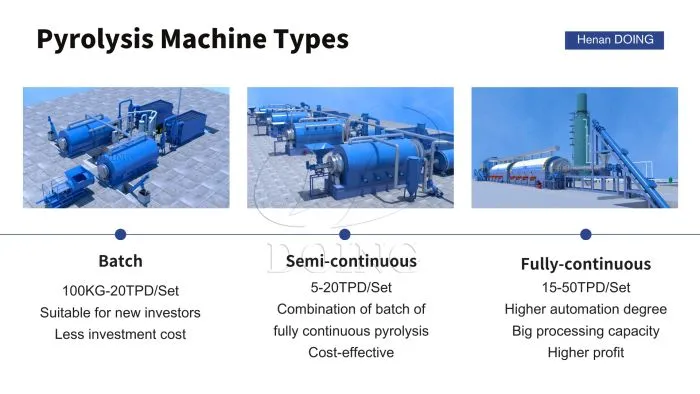
DOING pyrolysis machine types
Evaluate Equipment Quality: Focus on suppliers with a strong reputation. Consider factors such as equipment capacity, energy efficiency, and maintenance requirements.
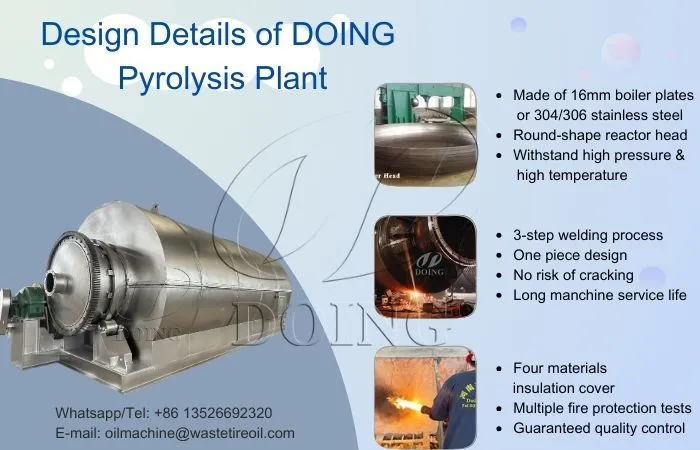
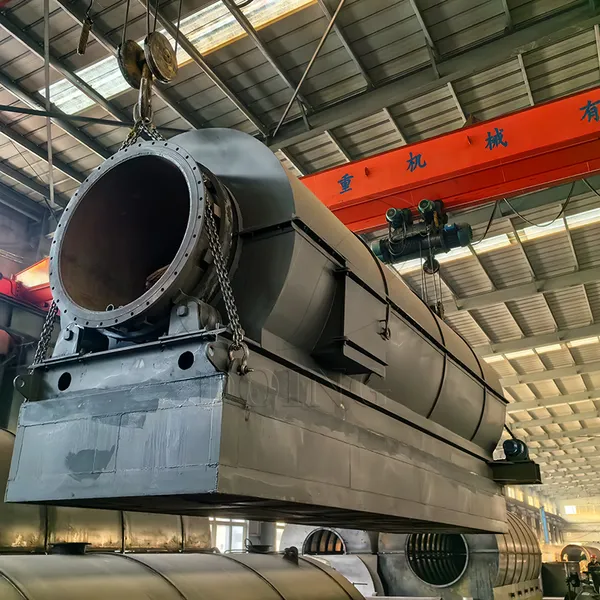
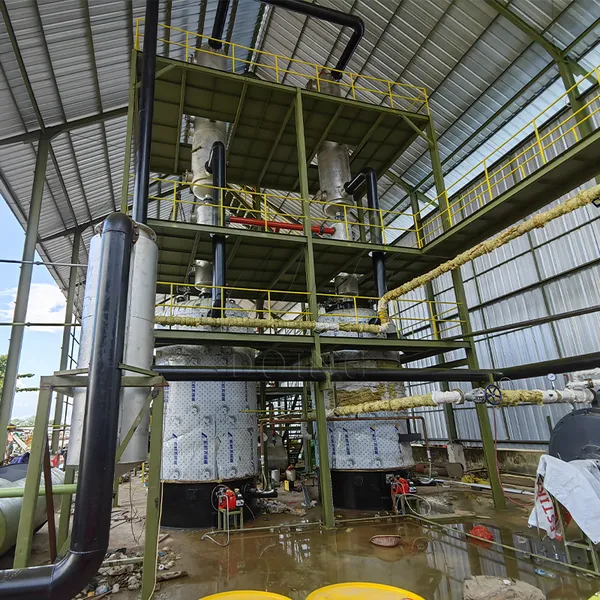
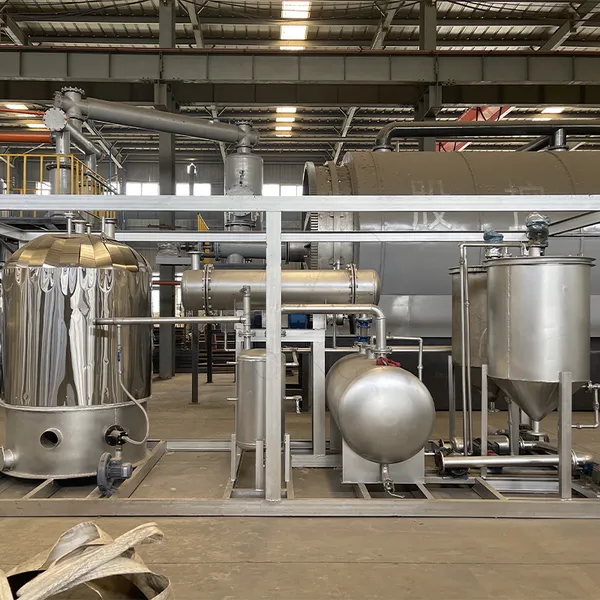
DOING pyrolysis equipment design details
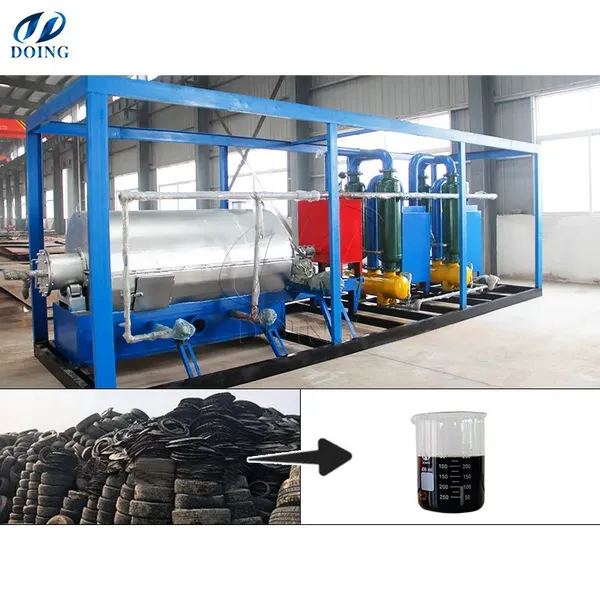
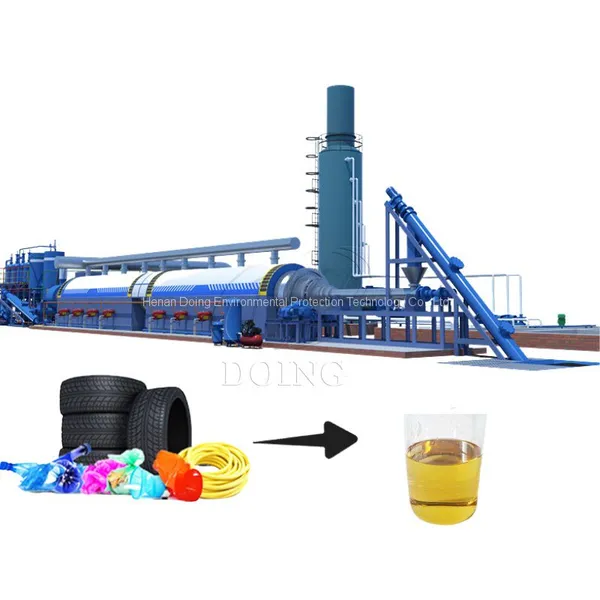
Technology Overview: Tire pyrolysis involves heating waste tires in an oxygen-free environment to produce fuel oil, steel wire, and carbon black, which can be sold for profit. DOING's advanced technology ensures high efficiency and minimal environmental impact.
Establish a Supply ChainPartner with Suppliers: Collaborate with auto repair shops, tire retailers, and fleet operators to secure a steady supply of used tires. Negotiate favorable pricing and logistics terms.
Identify Recycled Product Buyers: Locate companies interested in purchasing your recycled products, such as manufacturers of rubber mulch, asphalt additives, or industrial fuel oil.
Operational establishingStaff Training: Ensure your team is trained in operating pyrolysis equipment and safely handling waste materials.
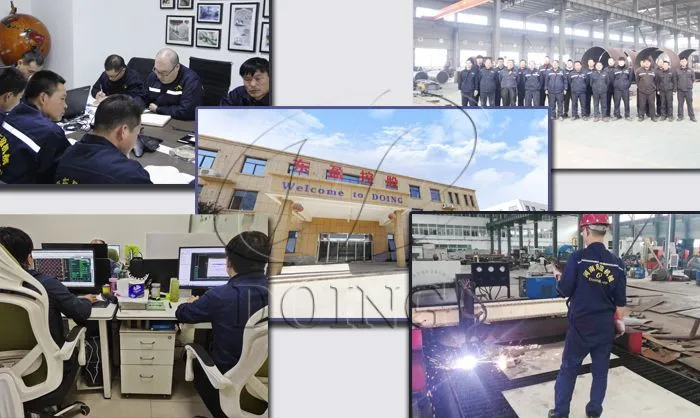
DOING professional engineering team
Risk ManagementEnvironmental Risks: Invest in pollution control systems to minimize emissions and waste. DOING's pyrolysis plants are equipped with comprehensive environmental protection features to reduce pollution risks.
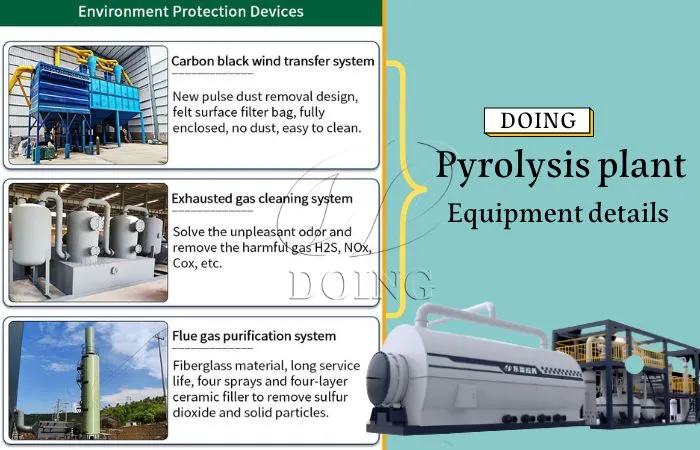
DOING pyrolysis equipment environment protection devices
DOING is a leading manufacturer of tire pyrolysis plants, offering reliable, efficient, and environmentally friendly solutions. Our advantages include:
Customized Solutions: Equipment designed to meet specific business needs.
Technical Support: Comprehensive training and after-sales service.
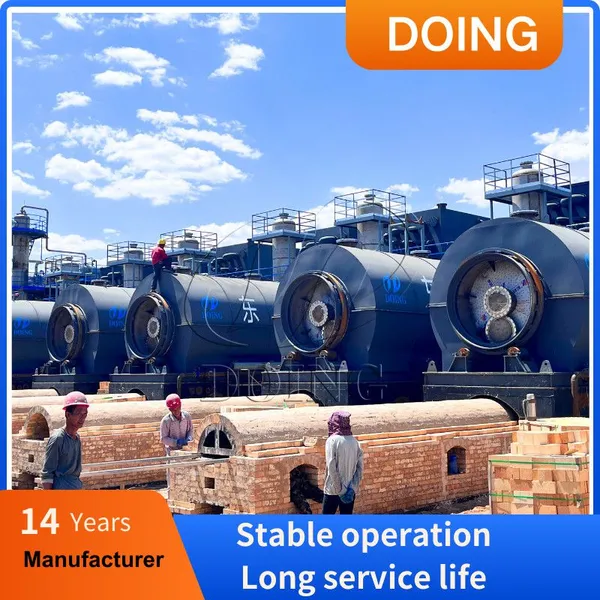
Proven Success: Successful cases in countries such as Thailand, Vietnam, Russia, Indonesia, Colombia, India, Malaysia, the U.S., the U.K., and South Africa.
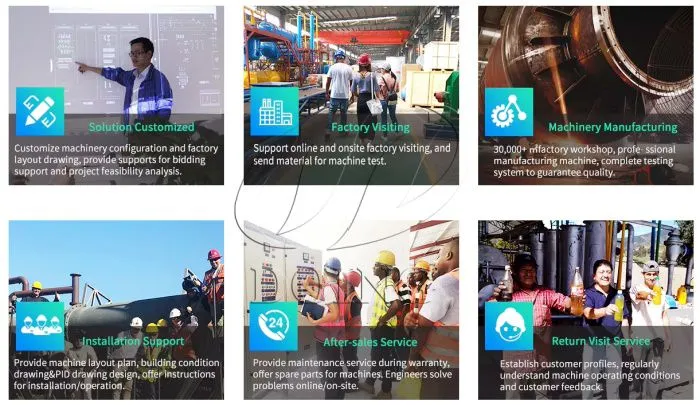
DOING pyrolysis plant manufacturer
Contact us to discover how DOING can assist you in launching a successful tire pyrolysis recycling business!
Recently Posted
-
Types of Oil Sludge Processed by Pyrolysis Machine
March 12, 2026Oil sludge represents a tough waste product that creates major environmental and practical issues for sectors including oil and ga Read More
 -
Why PET and PVC Are Unsuitable for Pyrolysis Processing?
March 5, 2026Thermal decomposition technology for plastics is emerging as a vital solution to tackle waste plastic challenges. As a leading pro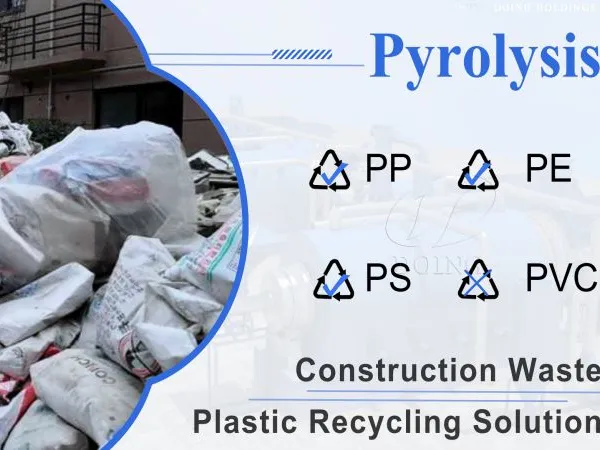 Read More
 -
Why is Oxygen Not Needed in Pyrolysis?
February 24, 2026Pyrolysis involves thermal breakdown of substances in an environment lacking oxygen or other reactive gases. The key factor for av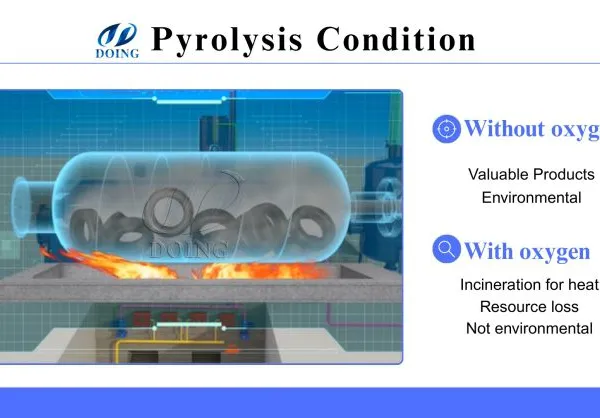 Read More
 -
Key Considerations in Pyrolysis Machine Costs and Purchase Decisions
February 5, 2026The cost of pyrolysis machines is influenced by a range of factors, including machine type, processing capacity, material qua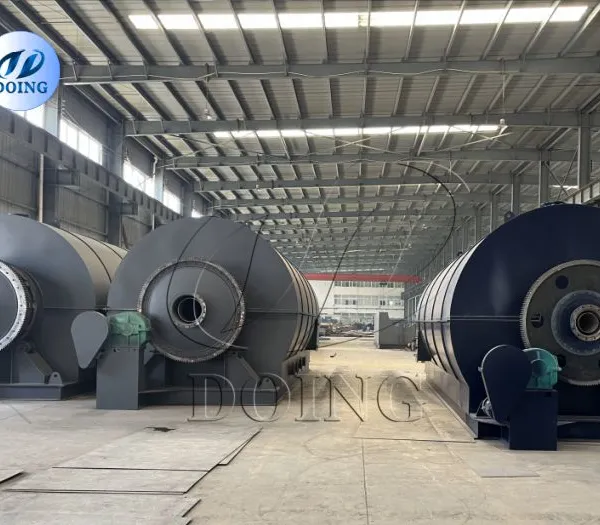 Read More

Contact Us
Recommended Products
-
 CE Certified High Oil Yield Fully Automatic Waste Fiberglass Pyrolysis Plant With PLC ControlUS$ 380000 - 500000MOQ: 1 Set
 -
50tpd Waste Tyre Pyrolysis Plant From China Automatic Continuous Pyrolysis SystemUS$ 28000 - 58000MOQ: 1 Set
-
Skid-mounted Small Scale Waste Tire/plastic to Fuel Oil Pyrolysis Recycling Machine ManufacturerNegotiableMOQ: 1 Set
-
Sustainability and Emission Control Urban Waste Pyrolysis Plant Used Plastic Waste Pyrolysis MachineNegotiableMOQ: 1 Set
-
Fully Automatic With Auto Feeding Municipal Solid Waste Continuous Pyrolysis Plant Urban Waste to Fuel ConverterNegotiableMOQ: 1 Set

-
High Oil Yield Waste Tire/plastic to Fuel Oil DOING Pyrolysis Recycling Machine for SaleNegotiableMOQ: 1 Set
-
Small Scale Waste Oil Recycling System for Heavy Pyrolysis Oil Non-Standard Diesel Refining Machine Manufacturing Plant UseUS$ 50000 - 65000MOQ: 1 Set
-
Factory Price Used oil to diesel refining Plant recycling Machine for SaleUS$ 50000 - 65000MOQ: 1 Set
-
EU Environmental Small Big Scale Plastic to Oil Recycling Pyrolysis Plant Waste Plastic Pyrolysis MachineUS$ 30000 - 500000MOQ: 1 Set
-
50Ton Fully Continuous and Automatic Waste Oil Sludge Thermal Cracking to Fuel Oil Continuous Pyrolysis PlantNegotiableMOQ: 1 Set
-
Rubber Pyrolysis Plant 15 Ton Waste Tyre Pyrolysis Plant Latest Generation Waste Tyre Pyrolysis EquipmentNegotiableMOQ: 1 Set
-
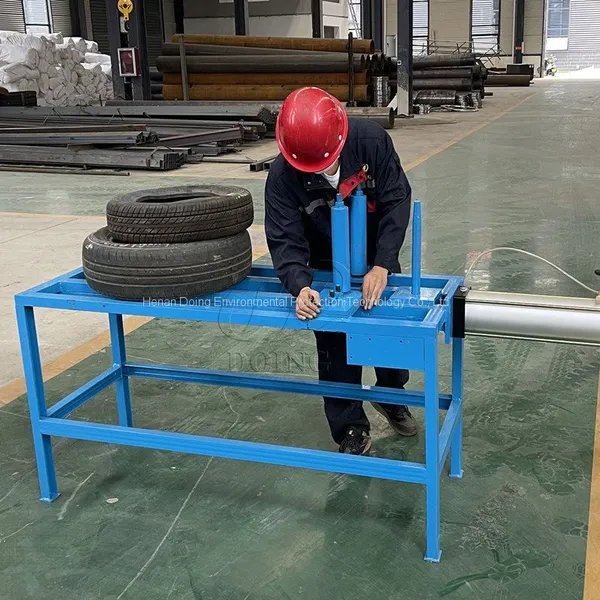
Efficient Nesting Solution for Tires With Customization Options Tire Nesting Machine Tire Doubling Tripling MachineUS$ 2500 - 3000MOQ: 1 Set
-
DOING Waste Oil Recycling Refining Lubricating Oil/Tire Oil Into Diesel Oil Industrial-Grade Waste Oil Distillation EquipmentUS$ 50000 - 65000MOQ: 1 Set
-
New Technology Waste Engine Oil Distillation Machine Convert Pyrolysis Oil Into Diesel SystemNegotiableMOQ: 1 Set
-
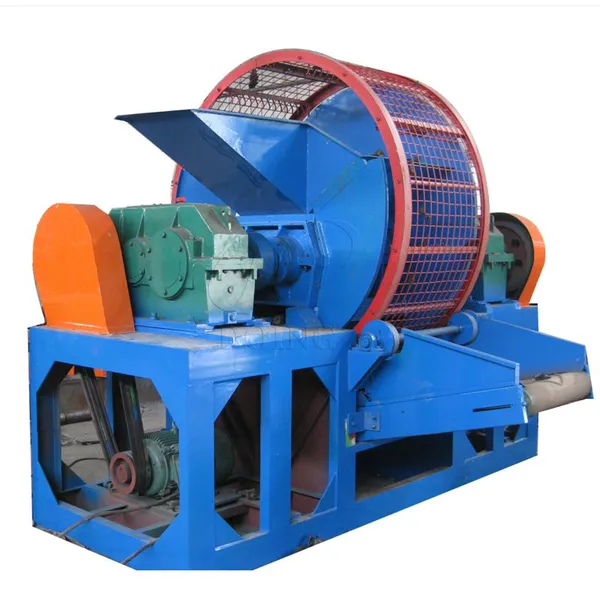
Automatic Tire Grinding Equipment With PLC System Rubber Powder EquipmentNegotiableMOQ: 1 Set
-
Refinery Plant Distillation Machine Pyrolysis Oil and Crude Oil and Black Heavy Fuel To DieselUS$ 50000 - 65000MOQ: 1 Set
-
DOING Economic Waste Oil Treatment Waste Engine Oil, Lubricating Oil Refining Professional Waste Oil Refining EquipmentUS$ 50000 - 65000MOQ: 1 Set
-
Modular Design 500kg Small Pyrolysis Machine Tyre Pyrolysis Plant Tire Pyrolysis to FuelUS$ 18000 - 28000MOQ: 1 Set
-
Waste to Fuel Pyrolysis Machine Continuous Plastic Recycling to Plastidiesel Production PlantUS$ 300000 - 500000MOQ: 1 Set
-
Eco-friendly Small Scale Plastic Pyrolysis Machine Waste Plastic to Fuel & Carbon Black Thermal Decomposition EquipmentUS$ 28000 - 58000MOQ: 1 Set